
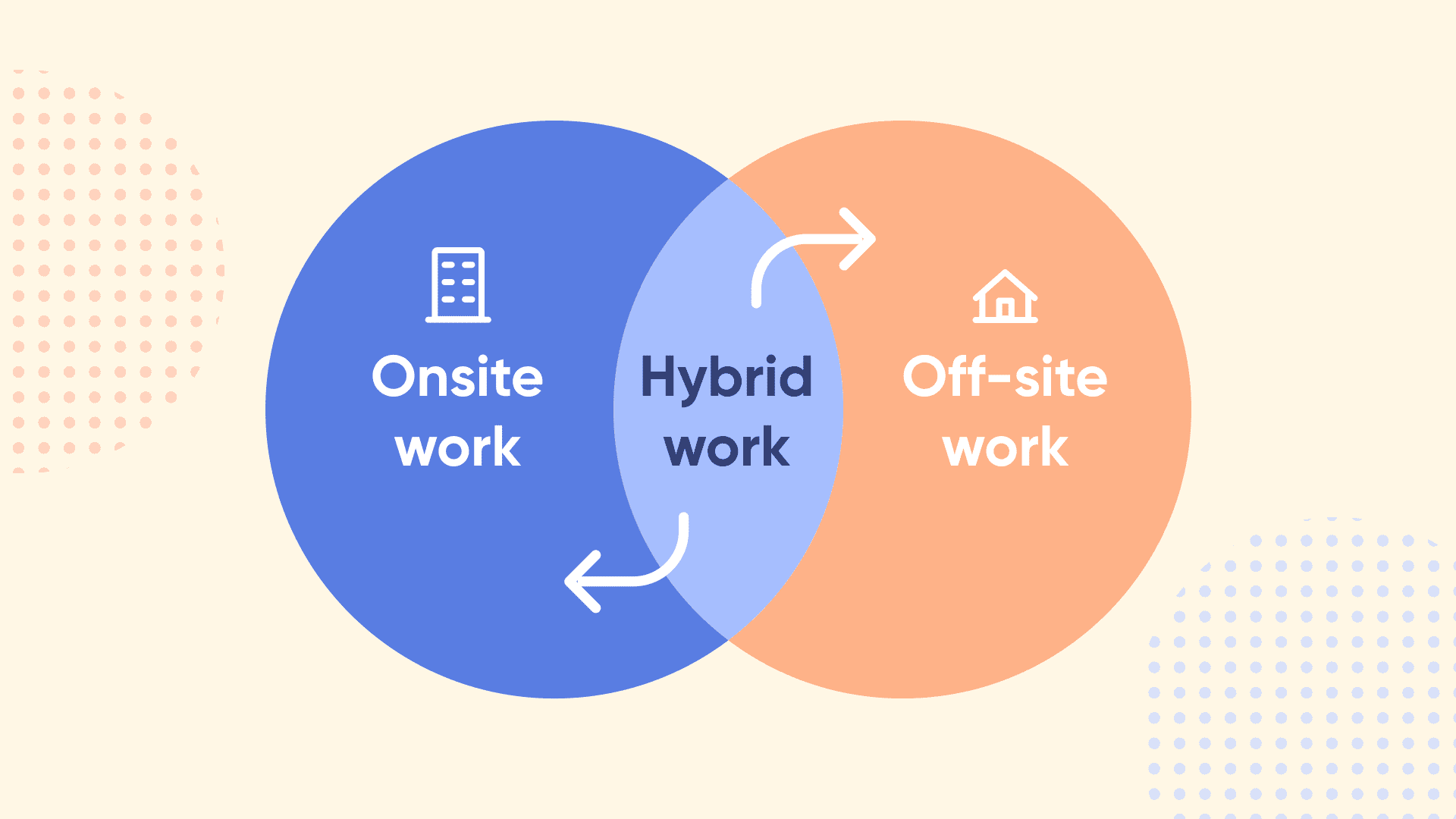
The Future of Remote Work: Building High-Performance Hybrid Teams
The shift to hybrid work requires moving from "presence-based" management to "outcome-based" leadership. To succeed, businesses must combat proximity bias, adopt a documentation-first culture, and leverage asynchronous tools to ensure equity. When done correctly, the hybrid model increases productivity and allows companies to access a broader, more diverse talent pool.
In the early 2020s, the world underwent a forced experiment in remote work. What was once a temporary survival tactic has, by 2026, evolved into a permanent fixture of the modern business landscape. However, the "honeymoon phase" of simply working from home is over. Today’s challenge isn't just about allowing remote work; it’s about mastering the Hybrid Model—a delicate balance of physical presence and digital flexibility.
Building a high-performance hybrid team requires more than just a Zoom subscription. It requires a fundamental redesign of how we define productivity, equity, and culture.
The Hybrid Spectrum: Finding Your Balance
Not all hybrid models are created equal. Organizations are currently navigating three main structures:
Office-First: Employees are expected in the office 3–4 days a week, with remote work as an occasional perk.
Remote-First: The default is digital; the office exists as a "clubhouse" for specific workshops or social bonding.
Designated Days: Entire teams come in on the same specific days to maximize "collision hours"—the spontaneous interactions that drive innovation.
Overcoming "Proximity Bias"
One of the greatest threats to a healthy hybrid team is Proximity Bias—the unconscious tendency of managers to favor and promote the people they see physically every day. To build a high-performance team, leaders must implement "Digital Equality" strategies:
Level the Playing Field: If even one person is remote for a meeting, everyone should join from their own laptop. This prevents "the room" from dominating the conversation and ensures remote voices are heard.
Outcome-Based Performance: Move away from "presence-based" evaluation (who is at their desk at 8:00 AM) and toward clear, measurable output. If the goals are met, it shouldn't matter where the work happened.
Documentation Culture: In a hybrid world, "knowledge silos" are dangerous. High-performance teams adopt a "write it down" philosophy, ensuring that decisions made at a coffee machine are recorded in a central digital hub for everyone to access.
Optimizing the Collaboration Stack
By 2026, the tools we use have moved beyond simple chat. We are now seeing the integration of Asynchronous Collaboration. Instead of back-to-back meetings, teams are leveraging:
Video Snippets: Using tools like Loom to explain complex ideas, allowing teammates to watch and respond when it fits their focus block.
Virtual Whiteboards: Persistent digital spaces like Miro where brainstorming can happen across different time zones.
AI Meeting Co-pilots: Tools that automatically summarize action items, ensuring no one is "out of the loop" just because they were in a different time zone.
Sustaining Culture Without the Watercooler
Culture is often described as "the way things get done when nobody is looking." In a hybrid setting, you cannot rely on office perks to build a bond. You must be intentional:
The "Why" of the Office: The office should no longer be for "heads-down" work. It should be repurposed for Connection, Collaboration, and Celebration.
Virtual Rituals: Whether it’s a non-work Slack channel or a monthly "Show and Tell," these rituals replace the spontaneous watercooler chat and build the social capital necessary for trust.
Conclusion: The New Competitive Edge
The companies that will win the talent war of the next decade are those that don't view hybrid work as a compromise, but as a strategic advantage. By offering flexibility, they can hire the best talent globally, not just within a 30-mile radius. A high-performance hybrid team isn't built on proximity; it’s built on trust, clarity, and the right digital infrastructure.