
Customer Data Analytics: Turning Insights into Revenue Growth
Customer Data Analytics transforms raw information into a revenue driver by enabling hyper-personalization and predictive churn management. By integrating data into a centralized Customer Data Platform (CDP), businesses can align all departments toward a unified, 360-degree view of the user. In the current landscape, the key to growth lies in balancing sophisticated AI insights with a commitment to data ethics and transparency.
In the past, business decisions were often driven by "gut feeling" or broad market trends. Today, that approach is a relic of the past. In 2026, the most successful companies aren't just collecting data; they are treating it as their most valuable raw material. Customer Data Analytics has moved from the back office of IT to the front lines of revenue generation, allowing brands to predict what a customer wants before the customer even knows it themselves.
Turning raw data into a revenue engine requires moving beyond simple reporting and into the realm of Predictive and Prescriptive Analytics.
The Evolution of Data Utility
To drive growth, businesses are moving through three distinct stages of data maturity:
Descriptive (What happened?): Analyzing past sales and website traffic.
Predictive (What will happen?): Using AI to forecast future buying behaviors.
Prescriptive (How can we make it happen?): Automatically adjusting marketing spend or pricing to achieve a specific revenue goal.
Uncovering Hidden Opportunities Through Segmentation
Traditional marketing used broad demographics like "Age" or "Location." Modern analytics uses Behavioral Micro-Segmentation. By analyzing subtle patterns—such as how long a user hovers over a product image or the time of day they open an email—businesses can create "Segments of One."
Hyper-Personalization: Instead of a generic sale, a customer receives a personalized offer for a product they’ve viewed three times but haven't bought, timed exactly to when they usually shop. This level of relevance can increase conversion rates by over 500%.
Churn Prediction: Analytics can identify "at-risk" customers by detecting a decrease in login frequency or a change in support ticket sentiment. By intervening with a targeted loyalty offer before they leave, companies significantly improve Customer Lifetime Value (CLV).
Bridging the Gap: The Customer Data Platform (CDP)
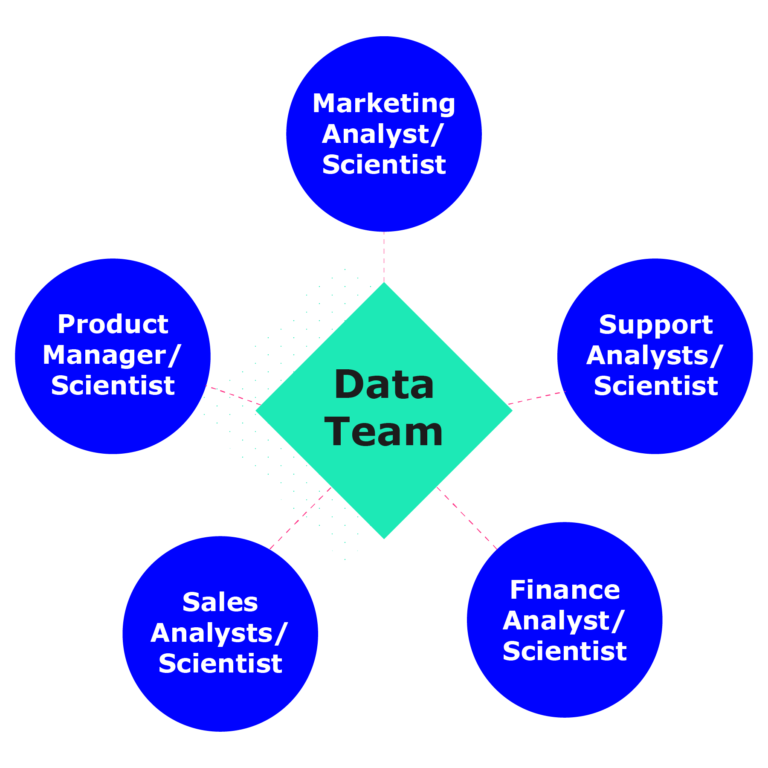
The biggest barrier to revenue growth is "Siloed Data"—when your marketing team doesn't know what your customer support team is doing. Leading enterprises are investing in CDPs to create a "360-degree view" of the customer.
When every department—from sales to product development—sees the same real-time data, the business can move in sync. For example:
Product Development uses usage data to prioritize features that drive the most engagement.
Sales Teams receive "Propensity to Buy" scores, telling them exactly which leads are most likely to close today.
Customer Support can see a customer's entire purchase history instantly, allowing for faster resolution and personalized upselling.
Ethical Data: The Privacy-Growth Balance
In 2026, consumers are more aware of their data rights than ever. Revenue growth now depends on Zero-Party Data—information that customers intentionally and proactively share with a brand.
By being transparent about how data is used and providing clear value in return (like a better user experience or personalized discounts), companies build Digital Trust. In the modern economy, trust is the currency that powers the data engine; without it, the flow of insights dries up.
Conclusion: From Information to Action
Data is only as valuable as the actions it inspires. The goal of customer data analytics is not to create more charts, but to make faster, smarter decisions that remove friction from the customer journey. For the modern business, revenue growth is no longer a guessing game—it's a science of understanding human behavior at scale.